

Programming is no longer just a niche skill; it has become the backbone of our modern digital world. Whether you want to develop websites, build apps, or dive into artificial intelligence, learning programming opens up endless possibilities. In this guide, we’ll cover everything you need to know to start your programming journey and level up your skills.
Why Learn Programming?
Programming teaches you how to think logically, solve problems efficiently, and automate tasks. Some of the key benefits include:
- High demand: Developers are needed in almost every industry.
- High-paying jobs: Programming roles often come with lucrative salaries.
- Flexibility: Work remotely, freelance, or start your own tech venture.
- Creativity: Build software, games, websites, or AI tools.
Choosing Your First Programming Language
Choosing the right programming language can be confusing for beginners. Here’s a quick guide:
- Python: Great for beginners, AI/ML, data science, and web development.
- JavaScript: Essential for web development; works on both frontend and backend.
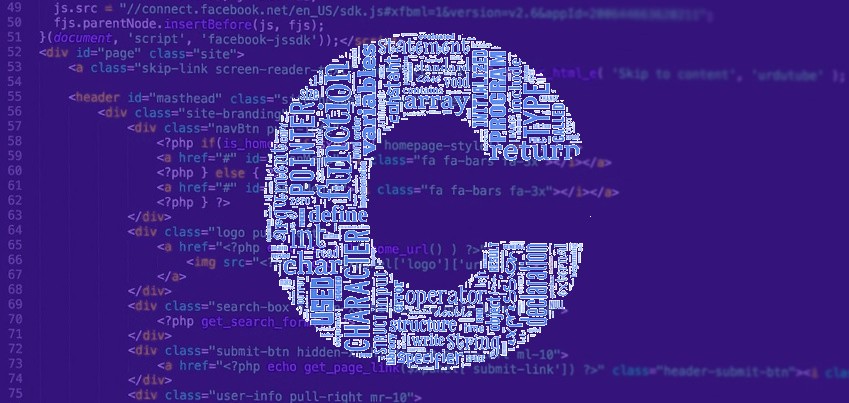
- C/C++: Ideal for understanding low-level concepts, gaming, and system programming.
- Java: Widely used for Android apps and enterprise applications.
- Go/Rust: Emerging languages for performance-critical applications and backend systems.
Core Programming Concepts
Regardless of the language, every programmer should understand these fundamentals:
1. Variables & Data Types
Variables store data. Each variable has a data type such as integer, string, or boolean.
age = 25       # Integer
name = "Vinit" # String
is_active = True # Boolean
2. Control Flow
Control flow allows your program to make decisions using if-else statements and loops.
if age >= 18:
    print("You are an adult.")
else:
    print("You are a minor.")

for i in range(5):
    print(i)
3. Functions
Functions allow you to reuse code efficiently.
def greet(name):
    return f"Hello, {name}!"

print(greet("Vinit"))
4. Data Structures
Data structures help organize data. Common ones include:
- Lists/Arrays – Ordered collection of items.
- Dictionaries/Maps – Key-value pairs.
- Sets – Unique items collection.
5. Object-Oriented Programming (OOP)
OOP allows you to model real-world entities using classes and objects.
class Car:
    def __init__(self, brand, model):
        self.brand = brand
        self.model = model

    def display_info(self):
        print(f"{self.brand} {self.model}")

my_car = Car("Toyota", "Corolla")
my_car.display_info()
How to Practice Programming
- Solve coding problems on platforms like LeetCode, HackerRank, or Codeforces.
- Build projects: Start small with calculators, to-do apps, or simple games.
- Contribute to open-source projects on GitHub.
- Read code: Analyze other developers’ code to understand different approaches.
Advanced Skills for Career Growth
Once comfortable with basics, explore these advanced areas:
- Web Development: HTML, CSS, JavaScript, React, Node.js
- Mobile Development: Flutter, Android, iOS
- Data Science & AI: Python, NumPy, Pandas, TensorFlow
- DevOps & Cloud: Docker, Kubernetes, AWS, Azure
Tips for Becoming a Successful Programmer
- Write clean and readable code.
- Debug efficiently; don’t fear errors—they are learning opportunities.
- Stay updated with new frameworks and technologies.
- Network with developers via GitHub, LinkedIn, and forums.
Conclusion
Programming is more than writing code—it’s about problem-solving, creativity, and continuous learning. Start with one language, focus on fundamentals, and gradually explore advanced domains. With consistency and practice, you can transform from a beginner to a proficient programmer capable of building real-world applications.

 By
By