
Fashion is no longer limited to runways or celebrity wardrobes. In today’s competitive business world, it has become an essential tool for entrepreneurs, leaders, and startups to create a lasting impression. From personal style that communicates authority and confidence to building multi-million-dollar fashion startups, the intersection of fashion and business is stronger than ever.
The fashion industry is worth over $1.7 trillion globally, and with the rise of e-commerce, influencer marketing, and sustainable innovations, it continues to present endless opportunities for entrepreneurs. But beyond the numbers, fashion also plays a critical role in personal branding, professional image, and brand storytelling. This makes it one of the most dynamic spaces for business-minded individuals looking to stand out and scale.
In this comprehensive guide, we’ll explore how entrepreneurs can leverage fashion for both personal and professional success. We’ll cover the role of style in personal branding, practical steps to launch a fashion startup, digital marketing strategies, the impact of sustainability and technology, and how to grow a fashion venture in 2025.
Fashion as a Business Opportunity
The fashion industry is a vast ecosystem that covers apparel, footwear, accessories, textiles, and technology-driven innovations. Entrepreneurs can tap into this ecosystem through countless entry points, from starting a clothing line to building an AI-driven fashion tech company.
The growing importance of sustainability has created opportunities for eco-friendly businesses, while social media has made it possible for small brands to compete with large corporations. In fact, direct-to-consumer (DTC) brands have disrupted the market by building loyal communities through storytelling and influencer collaborations.
Trends to watch in 2025 include:
- Sustainable and circular fashion: Customers demand eco-friendly, ethical options.
- AI-powered design and marketing: Artificial intelligence is predicting trends and creating product mockups.
- Social commerce: Instagram Shops, TikTok trends, and live-stream shopping are redefining retail.
- Inclusive fashion: Size inclusivity, gender-neutral clothing, and diverse campaigns are expected.
- Fashion rentals and resale platforms: Increasing demand for cost-efficient and sustainable shopping.
For entrepreneurs, these trends are more than consumer shifts — they are business opportunities to create scalable, future-ready ventures.
Personal Branding Through Fashion
For entrepreneurs, fashion is not just about clothing. It is about communicating authority, credibility, and individuality. Personal branding through fashion helps build trust with investors, customers, and employees.
Research shows that over 90% of first impressions are based on non-verbal cues such as dress, grooming, and body language. That means your style directly affects how people perceive your leadership and brand.
Dressing for Success
Entrepreneurs can tailor their style to match their industry and message:
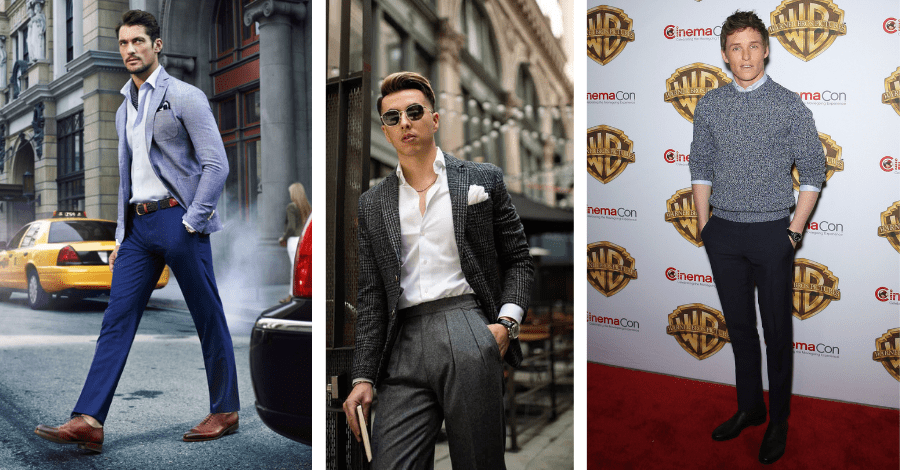
- Tech entrepreneurs often lean toward smart-casual outfits — minimalist blazers, premium sneakers, or statement watches.
- Finance professionals rely on tailored suits in navy, grey, or charcoal for authority.
- Creative leaders experiment with bold colors, unique accessories, and innovative cuts while keeping a polished look.
Regardless of industry, investing in quality basics such as a well-fitted blazer, timeless shoes, and minimal accessories always pays off.
Style as a Digital Asset
In the age of LinkedIn, Instagram, and YouTube, your fashion choices extend beyond physical meetings. Entrepreneurs who showcase consistent style online reinforce their brand identity. Coordinating colors with business logos, posting behind-the-scenes looks, or sharing personal styling tips can strengthen your image as a modern, relatable leader.
Starting a Fashion Business
Fashion is one of the most lucrative industries to enter, but success depends on clarity, execution, and differentiation. Many entrepreneurs dream of starting a clothing line, but the ones who succeed are those who identify a niche and craft a strong brand story.
Finding Your Niche
Choosing a niche ensures you connect with a specific audience. Popular niches include:
- Sustainable activewear
- Luxury streetwear
- Modest fashion
- Size-inclusive collections
- Organic kidswear
- Smart clothing with tech integration
The more specific your target market, the easier it is to craft products that resonate.
Building a Brand Identity
A fashion business is not just about clothing; it’s about identity and storytelling. A strong fashion brand includes:
- Memorable name: Easy to pronounce and connected to your mission.
- Logo and visuals: Clean, stylish, and adaptable across digital platforms.
- Brand story: The reason your business exists and what sets it apart.
- USP (Unique Selling Proposition): Whether it’s sustainability, affordability, or exclusivity, your USP must be clear.
Sourcing and Production
Entrepreneurs can choose between local manufacturing, which provides control and quicker turnaround, and overseas suppliers, which are often cost-effective but require strict quality checks. Private label suppliers can help startups launch quickly with pre-designed products under their branding.
Launching Online
The digital-first approach has made it easier than ever to start selling. Platforms like Shopify, WooCommerce, and Wix allow entrepreneurs to set up online stores within days. Many brands begin with Instagram Shops or pre-order models before scaling into full e-commerce websites. Adding payment gateways such as Stripe, Razorpay, or PayPal ensures seamless transactions.
Marketing and Branding for Fashion Entrepreneurs
A fashion business thrives on visibility and perception. With millions of fashion brands competing online, marketing is the differentiator. Entrepreneurs must focus on building strong, consistent, and engaging campaigns.
Social Media for Fashion Brands
Instagram, TikTok, and Pinterest dominate fashion marketing. Posting short-form styling videos, user-generated content, and behind-the-scenes clips can help build authenticity. Pinterest remains a powerful SEO tool, driving traffic through fashion mood boards and inspiration posts.
Influencer Collaborations
Micro-influencers are often more effective than celebrity endorsements. By collaborating with influencers who share your brand values, you can build authentic connections with customers. Affiliate partnerships, free samples, and discount codes can make influencer marketing affordable.
Paid Advertising and SEO
Facebook and Instagram ads allow fashion entrepreneurs to target specific demographics with carousel ads and video content. Google Shopping Ads work well for established e-commerce businesses. At the same time, writing SEO-optimized blog posts around keywords like fashion startup guide, sustainable clothing brand, and how to start a clothing line can drive organic traffic.
Customer Retention
Email newsletters, loyalty programs, and VIP early-access campaigns keep customers engaged. Personalized styling tips or lookbooks create a sense of exclusivity, turning one-time buyers into loyal fans.
Sustainable and Ethical Fashion
The future of fashion is green. Consumers are increasingly rejecting fast fashion and demanding sustainable alternatives. For entrepreneurs, building an eco-friendly brand is not just good for the planet but also a smart business move.
Key strategies include:
- Using organic and recycled materials.
- Offering take-back or recycling programs.
- Focusing on made-to-order production to reduce waste.
- Transparent storytelling about supply chains.
Sustainable branding appeals to environmentally conscious consumers while setting you apart in a crowded industry.
Fashion Technology and AI
Fashion and technology are merging rapidly, opening up new opportunities for entrepreneurs.
- AI design tools allow startups to create mockups without expensive designers.
- Virtual fitting rooms reduce return rates and improve customer satisfaction.
- AR try-on features make online shopping interactive.
- Blockchain technology ensures transparency and prevents counterfeit products.
- Predictive analytics help entrepreneurs design collections that meet customer demand.
Fashion-tech startups are among the most attractive to investors because they combine creativity with innovation.
Scaling a Fashion Business
Once a fashion brand gains traction, the next step is scaling. Entrepreneurs can achieve this by:
- Expanding into new product categories like footwear or accessories.
- Exploring international markets through cross-border e-commerce.
- Partnering with logistics companies for seamless global shipping.
- Hosting pop-up events or collaborating with established brands for capsule collections.
Networking plays a big role in growth. Fashion entrepreneurs should attend trade shows, industry conferences, and startup events to connect with suppliers, partners, and investors. Pitching to investors with a strong demand-backed business model can unlock funding opportunities.
Conclusion
Fashion is more than a style statement — it is a business powerhouse and a personal branding tool. For entrepreneurs, mastering fashion means understanding both its aesthetic and commercial value. Dressing well enhances authority, building a clothing line opens revenue streams, and embracing sustainability and technology ensures long-term success.
The key to success in fashion entrepreneurship lies in combining innovation, storytelling, and strategy. Whether you’re planning to launch a sustainable clothing line, build a digital-first fashion startup, or simply refine your personal brand as a leader, fashion gives you the edge to stand out in today’s competitive business world.
By embracing fashion entrepreneurship in 2025, you’re not just following trends — you’re shaping the future of business, style, and culture.


 By
By