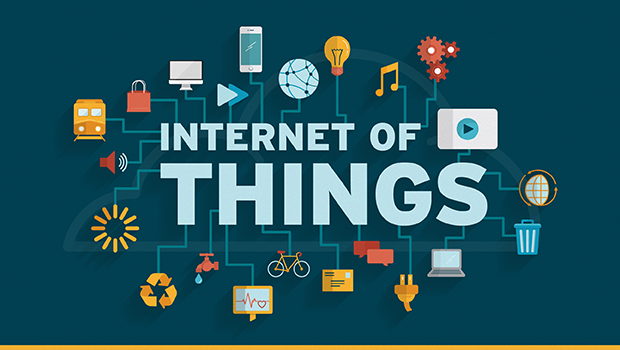
The Internet of Things, commonly known as IoT, is one of the technologies that is changing the way physical devices interact with the digital world. IoT refers to physical objects and devices that can connect to the internet, collect information through sensors, communicate with other systems, and sometimes perform actions automatically. Smartphones, smart watches, smart televisions, security cameras, connected home appliances, industrial machines, vehicles, and smart sensors are some common examples of devices that can be part of the Internet of Things. As internet connectivity becomes more widely available, IoT is creating new ways for people and businesses to collect information, monitor devices, automate processes, and manage different activities.
A typical IoT system includes connected devices, sensors, communication networks, software, and systems that process the collected information. Sensors can collect information such as temperature, movement, location, pressure, humidity, or energy consumption depending on the purpose of the device. The collected information can then be transmitted to another system for processing and analysis. In some cases, the system can respond automatically based on the information it receives. This combination of physical devices, connectivity, software, and data processing allows IoT systems to perform tasks that would previously have required manual monitoring.
Smart homes are one of the most familiar examples of Internet of Things technology. Smart lights, thermostats, security cameras, doorbells, speakers, locks, and appliances can connect to the internet and communicate with mobile applications or other devices. Users may be able to monitor or control certain devices remotely through an application. Some smart-home systems can also use schedules, sensors, or automation rules to perform specific actions without requiring manual input every time.
IoT technology is also being used in healthcare. Connected medical devices and wearable technologies can collect information such as activity levels, heart rate, temperature, and other measurements depending on the device. Healthcare organizations can use connected systems to monitor equipment, manage certain operational processes, and collect information for analysis. The use of connected healthcare technologies requires careful attention to privacy, security, data accuracy, and appropriate handling of sensitive information.
Manufacturing is another major area where IoT is being applied. Factories can use connected sensors to monitor machines, production lines, environmental conditions, and equipment performance. The collected information can help organizations understand how equipment is operating and identify potential maintenance requirements. This approach is sometimes referred to as predictive maintenance, where data from machines is analyzed to identify patterns that may indicate a potential problem before equipment experiences a major failure.
Agriculture can also benefit from connected technologies. IoT sensors can monitor soil conditions, temperature, humidity, water levels, and other environmental factors. Farmers and agricultural organizations can use this information to better understand field conditions and manage resources. Connected irrigation systems can potentially automate watering based on available data and predefined conditions. The usefulness of these systems depends on factors such as sensor quality, network connectivity, local environmental conditions, and how the collected information is interpreted.
Transportation is another sector where IoT technology is becoming increasingly important. Connected vehicles can collect and exchange information about location, vehicle performance, traffic conditions, and other factors. Logistics companies can use connected tracking systems to monitor shipments and vehicles. Smart transportation systems can also use sensors and connected infrastructure to collect information about traffic and road conditions.
Retail businesses are exploring IoT for inventory management, store operations, customer experiences, and supply-chain monitoring. Connected sensors can help businesses track products and equipment, monitor storage conditions, and collect operational data. In warehouses, IoT devices can assist with tracking inventory and monitoring movement. These applications can help organizations gain better visibility into their operations and identify areas where processes can be improved.
One of the major advantages of IoT is the ability to collect real-time or near-real-time information. Traditional systems may depend on people manually recording measurements or checking equipment. Connected sensors can collect information continuously and send it to a central system for analysis. This can help businesses and individuals understand changing conditions and respond more quickly when a relevant event occurs.
Artificial Intelligence and machine learning can make IoT systems more useful by analyzing the large amounts of information generated by connected devices. Instead of simply collecting data, an IoT system can use analytical technologies to identify patterns, detect unusual activity, and support automated decisions. The combination of IoT and AI is being explored in areas such as manufacturing, healthcare, transportation, agriculture, energy management, and smart buildings.
However, the growth of connected devices also creates important challenges. Cybersecurity is one of the biggest concerns because every internet-connected device can potentially become a target for unauthorized access. Devices with weak passwords, outdated software, or poor security configurations can create risks for users and networks. Manufacturers and users therefore need to consider security throughout the lifecycle of an IoT device, including software updates, authentication, access controls, and secure communication.
Privacy is another important consideration. IoT devices can collect significant amounts of information about people's activities, locations, environments, and behaviors. Users should understand what information a device collects, how that information is stored, and how it may be shared. Companies that operate IoT services also need appropriate policies and security measures to protect collected information.
Connectivity can also be a limitation for IoT systems. Some devices may operate in locations where reliable internet access is unavailable or expensive. Battery life can also be important for small connected devices because sensors may need to operate for long periods without frequent charging or maintenance. IoT systems therefore need to be designed according to the specific environment and requirements in which they will operate.
The future of the Internet of Things is closely connected with technologies such as 5G, cloud computing, edge computing, artificial intelligence, and advanced data analytics. Faster and more reliable networks can allow more devices to communicate, while edge computing can process certain information closer to where it is generated. Cloud platforms can provide storage and computing resources for large amounts of IoT data, while AI can help analyze that data and identify useful patterns.
The Internet of Things is transforming physical objects into connected digital systems that can collect information, communicate with other devices, and support automation. From smart homes and wearable devices to factories, agriculture, transportation, healthcare, and logistics, IoT is being used across a growing number of industries. As connected technology continues to develop, security, privacy, reliable connectivity, and responsible data management will remain important considerations. The continued combination of IoT with AI, cloud computing, and advanced networks could create new applications and further change how people and businesses interact with technology.
Internet of Things (IoT): How Connected Devices Are Transforming Everyday Life