
Introduction
SoftBank Vision Fund has once again made headlines, not for a blockbuster investment, but for a sweeping 20% workforce reduction. Roughly 50–60 employees across its global offices are being laid off as the fund repositions itself away from smaller startup bets and toward massive, high-stakes investments in Artificial Intelligence (AI), chips, and infrastructure projects.
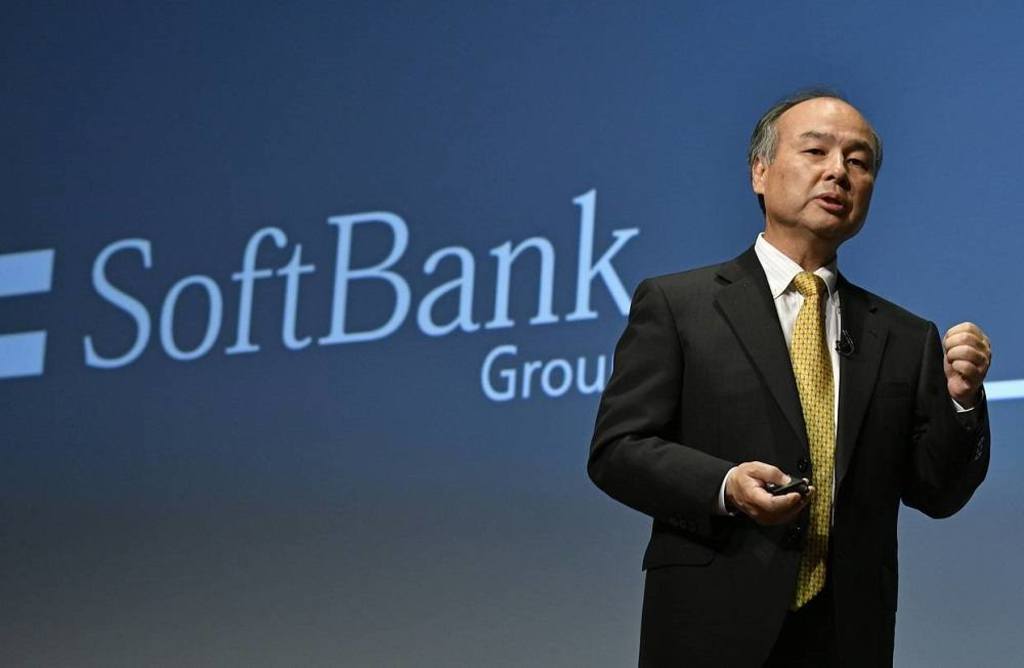
This move signals a turning point in the fund’s strategy. While the Vision Fund once became famous for spreading capital across dozens of unicorns, Masayoshi Son now wants to reshape its future around AI dominance, betting that infrastructure will define the next decade of technology.
The Vision Fund Journey So Far
When SoftBank Vision Fund launched, it was the largest tech investment vehicle in history, backed by billions from sovereign wealth funds, global institutions, and SoftBank itself. Its mandate was ambitious — to find and scale the next global giants.
- The Highs: Early investments in Nvidia, Coupang, and DoorDash turned into big wins.
- The Lows: The infamous WeWork collapse, missteps in ride-sharing, and over-valued startups tarnished its reputation.
- The Present: After years of volatility, Vision Fund just reported its strongest quarterly performance since June 2021, largely thanks to Nvidia’s AI surge and strong portfolio exits.
Yet, despite this rebound, the fund is restructuring — because Masayoshi Son sees an even bigger opportunity in AI.
Why Layoffs Now?
The decision to slash 20% of staff may seem contradictory given the fund’s strong financial results. But the rationale is clear:
- Strategic Realignment – Vision Fund no longer needs hundreds of analysts scouting mid-sized startups. Instead, it’s focusing on fewer but massive AI-driven bets.
- Efficiency – By trimming staff, SoftBank wants faster decision-making and lower operating costs.
- AI Infrastructure Demands – The coming wave of AI projects, particularly data centers and chips, require different expertise than traditional startup due diligence.
In short, these layoffs are not a sign of weakness — but of transformation.
Masayoshi Son’s AI Pivot
At the center of this transformation is Masayoshi Son himself. He has declared that SoftBank will “go beyond human intelligence” by building the backbone of AI. The new strategy revolves around:
1. The Stargate Project
- A proposed $500 billion AI infrastructure initiative in the U.S.
- Goal: Build mega data centers capable of training and running the largest AI models.
- Partners: Rumored collaboration with OpenAI and leading chipmakers.
2. Chip & Semiconductor Bets
SoftBank has doubled down on the semiconductor ecosystem, recognizing that AI dominance depends on chip supply.
- Its own subsidiary Arm Holdings is central to this push.
- Investments and ties with Nvidia, Intel, Graphcore, and Ampere Computing strengthen its positioning.
3. Concentrated AI Investments
Instead of writing small checks to hundreds of startups, SoftBank is focusing billions into AI labs, model developers, and infrastructure owners. This includes major funding into OpenAI and other foundation model players.
Internal Impact of the Layoffs
The workforce cuts will have mixed consequences:
- Employee Morale: Remaining staff may face uncertainty and heavier workloads.
- Skill Realignment: The new focus requires experts in AI hardware, cloud infrastructure, and data center operations rather than general VC analysts.
- Lean Operations: A smaller, sharper team should make SoftBank more agile.
External Impact on the Tech Ecosystem
For Startups
- Bad news: Startups looking for SoftBank funding may now find the door closed, especially early-stage ventures.
- Good news: AI startups, chip makers, and infrastructure companies may enjoy unprecedented funding support.
For Investors
- Markets see this as a bold, confident AI bet.
- If successful, returns could dwarf the fund’s previous wins.
- If execution falters, however, it risks becoming another WeWork-sized cautionary tale.
For Competitors
- Rival VCs may pivot strategies too, prioritizing fewer but larger AI-driven bets.
- Big Tech players (Google, Microsoft, Amazon) must prepare for competition not just in AI models, but in the infrastructure race.
Challenges Ahead
Even with deep pockets, SoftBank faces serious risks:
- Execution Risk – Building mega data centers involves land acquisition, regulatory approvals, energy supply, and massive logistics.
- Technology Risk – AI evolves quickly. Today’s cutting-edge hardware may be obsolete within years.
- Valuation Risk – AI company valuations are sky-high; a bubble burst could hit SoftBank hard.
- Regulatory Risk – Geopolitics around semiconductors and AI governance may complicate global expansion.
- Capital Pressure – While SoftBank holds ~$27 billion in cash, large infrastructure bets will burn through capital fast.
What to Watch Next
- Progress on Stargate – Will SoftBank break ground on its mega AI project in the U.S.?
- Performance of Arm Holdings – A key piece of the AI chip puzzle.
- Shift in Venture Capital Trends – Will other funds follow SoftBank’s lead into AI infrastructure?
- Masayoshi Son’s Next Move – Known for audacious bets, he may surprise the market again.
Conclusion
The 20% layoffs at SoftBank Vision Fund mark more than just a cost-cutting exercise. They signal the dawn of a new investment philosophy: betting big on the future of AI.
If Son’s vision succeeds, SoftBank could own critical pieces of the AI ecosystem — from chips to data centers to foundation models. If it fails, the losses could echo the mistakes of WeWork and past missteps.
Either way, the global tech industry is watching closely, because SoftBank’s pivot may well define the next era of venture capital and AI infrastructure.


 By
By